|
Biology
Colonies of Gracilidris pombero apparently nest in soil, with the nest entrance consisting of a small earthen turret (Fig 1). The turret of a nest in Paraguay was only a few millimeters tall and opened at ground level on one side such that the nest entrance was cryptic and concealed from above. Colony size is not known but it is probably small, containing fewer than 1,000 individuals.
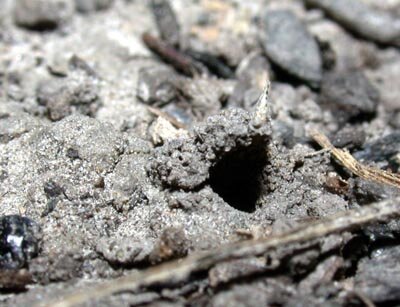
Figure 1. Nest entrance of Gracilidris pombero, Paraguay.
The collection records of G. pombero indicate that it inhabits low scrub forests of the type found in cerrado and chaco habitats. Specimens from Maranhão, Brazil were collected at a sardine bait in cerrado scrub forest near the edge of a soybean field. A specimen from Bahia, Brazil was collected in a small primary forest fragment in a Cocoa plantation. A Mato Grosso, Brazil collection was from grazed cerrado, and the Paraguayan type series came from a lightly grazed Copernicia alba palm forest in the humid chaco (Fig. 2).
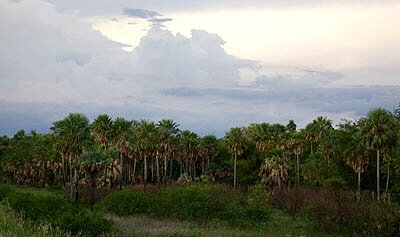
Figure 2. Collection site of Gracilidris pombero, Paraguay.
Gracilidris is probably noctural, which may partly explain their rarity in collections. At the type locality in the Paraguayan Chaco, single foraging workers were collected at dusk and after dark on two separate nights, and visual searches and baits during the day at the same location did not yield any workers. In the field, workers appear elongate, their gaster held horizontally (Figs. 3-4), and their movements are smooth and deliberate.
Reproductive castes, brood, colony structure, and life history are unknown.
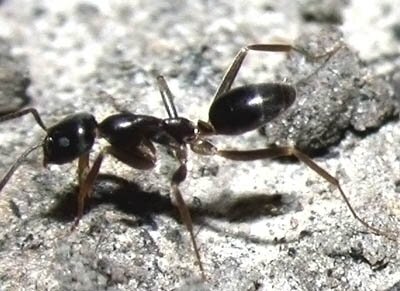
Figure 3. Foraging worker of Gracilidris pombero, Paraguay.
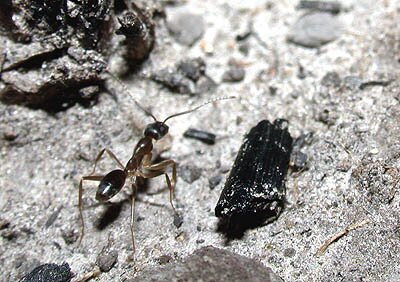
Figure 4. Foraging worker of Gracilidris pombero, Paraguay.
reference:
- Wild, A. L., and F. Cuezzo. 2006. Rediscovery of a fossil dolichoderine ant lineage (Hymenoptera: Formicidae: Dolichoderinae) and a description of a new genus from South America. Zootaxa 1142: 57-68.
|




